Pomona Road, Ingham QLD 4850
About this home
Property Details: • Type: Livestock
• Bedrooms: 0 • Bathrooms: 0
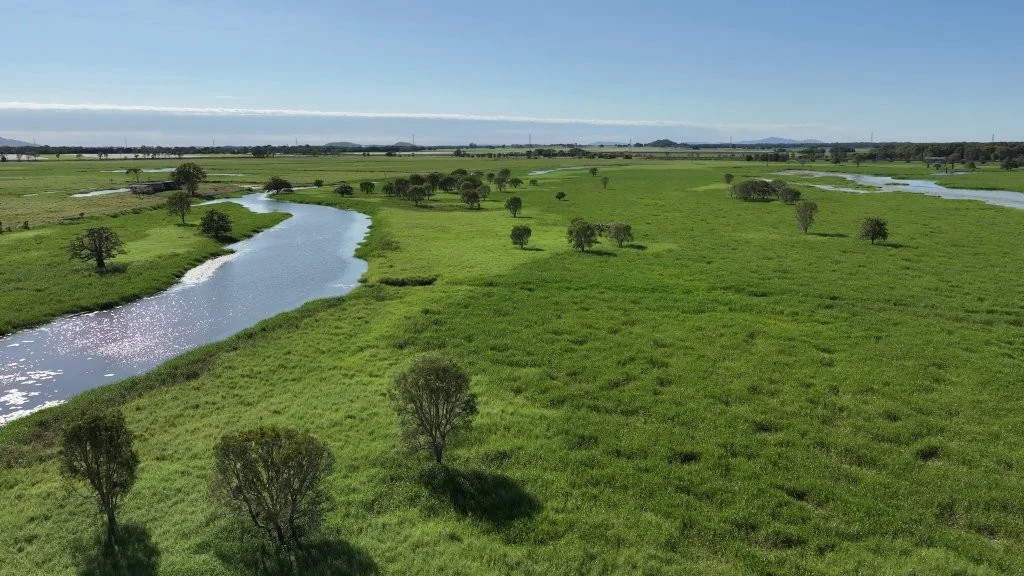
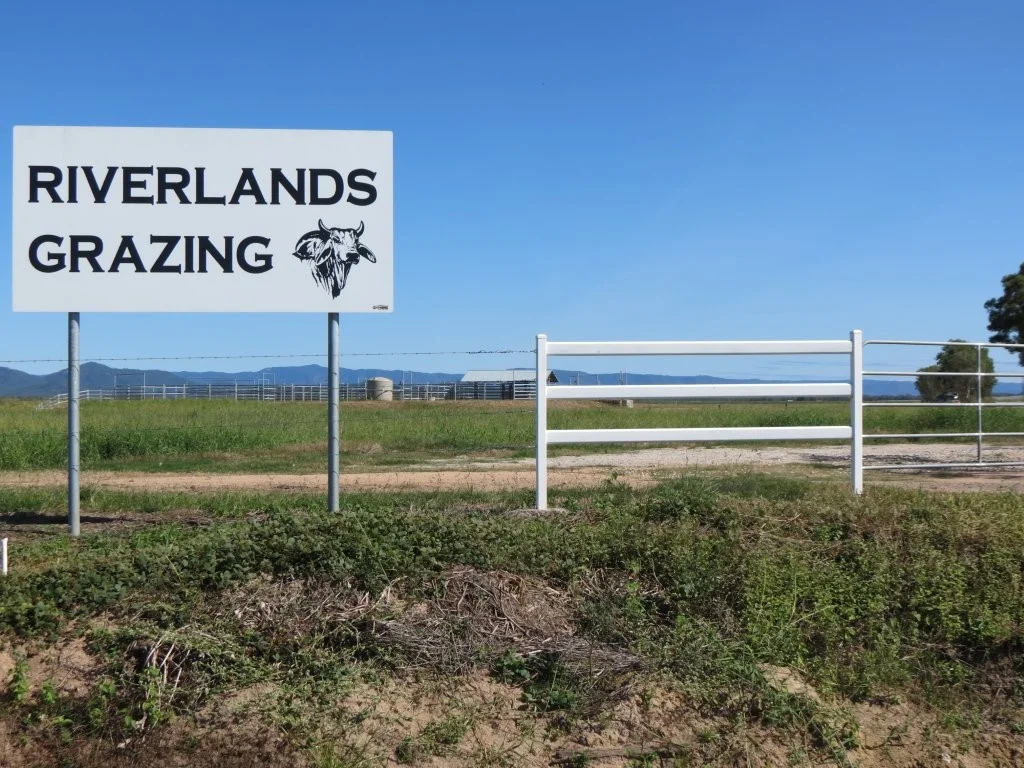
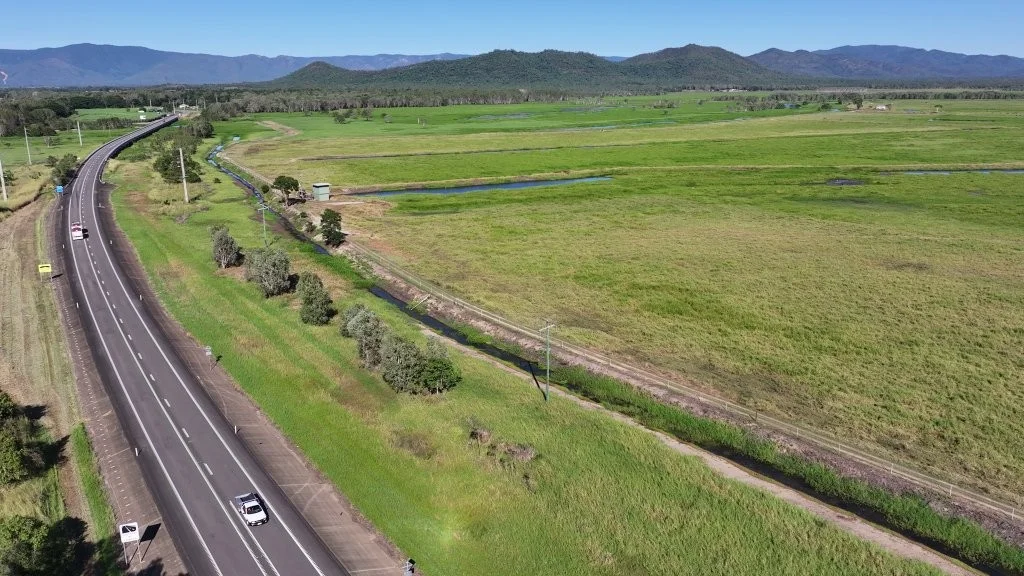
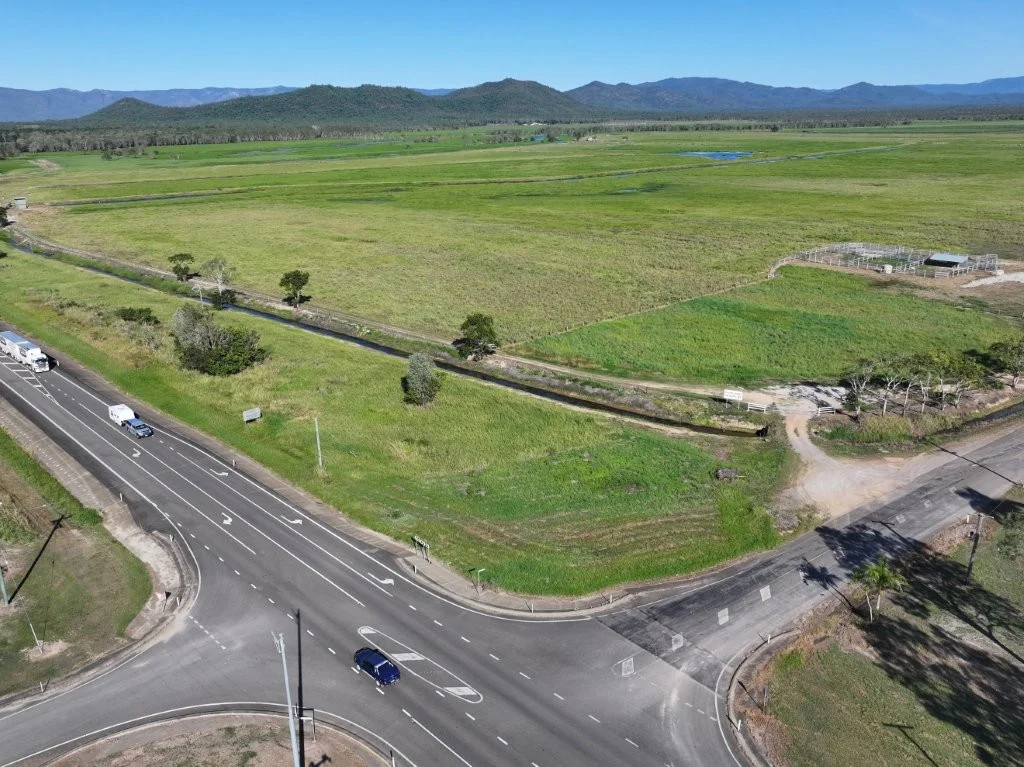
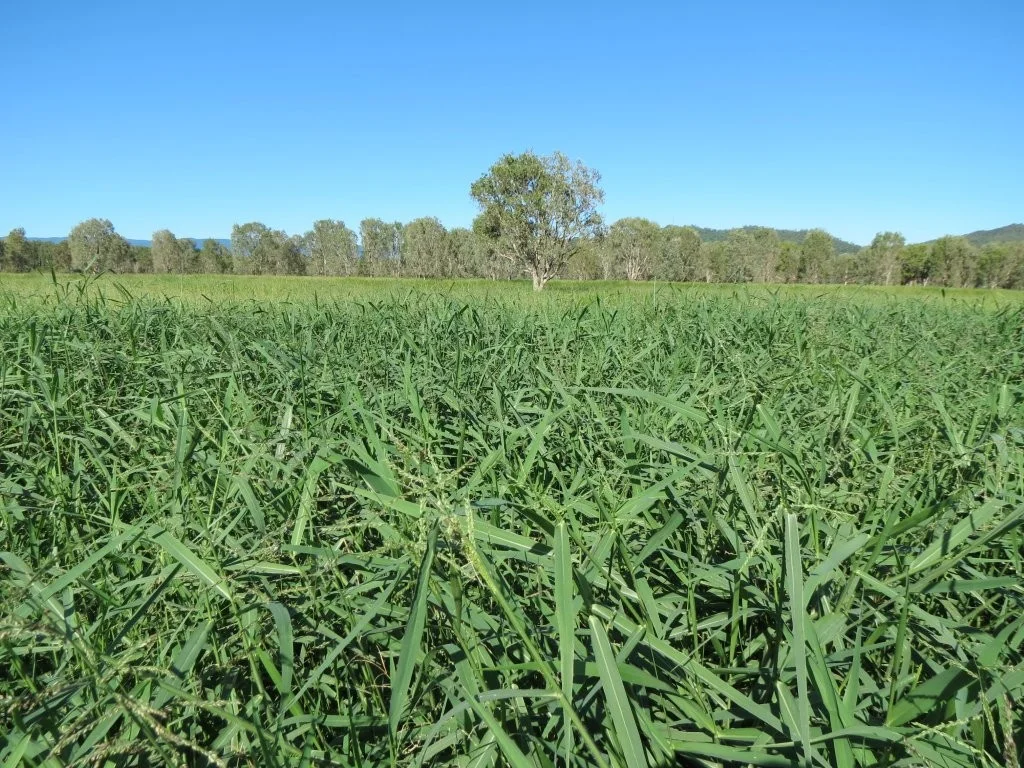
Description: Overview:The property is brought about by the aggregation of three adjoining, separate holdings. These holdings originally accommodated cattle grazing and sugarcane farming enterprises which had considerable productivity and production constraints due mainly to scale and flooding impacts. The aggregation, along with a considerable infrastructure upgrade, has transformed the property into a productive, low cost, grass fattening enterprise best suited to finishing cattle for live export and slaughter markets. The property offers opportunity for profitable and reliable cattle fattening with little cost. Riverlands Grazing recipe for profit high stocking rates, no fertiliser requirement, natural water, limited animal health inputs, year-round pasture productivity and high weight gains. The judicial use of molasses (M4U) has proven the only nutritional additive required. Rainfall: Average 2160mm pa Location: Riverlands Grazing access is via Pomona Road, which in-turn intersects the Bruce Highway approximately 10km south from town of Ingham, and 95km north of Townsville. The property accesses all the services of the Ingham township, population approx 4500 people is supported by schooling, medical, shopping and business enterprise. Townsville city is the largest city in North Queensland. Townsville's fast-developing industries, the Port of Townsville, JBS Meatworks, Live Export facilities, renewable energy hub, and various new developments support a growing population of 200000+ people. The Aggregation Area & Tenure TOTAL 377.26 ha (approx 932ac) adjoining blocks. Barnes's paddock Freehold 180.97ha (approx 446.99acres) Fairley paddock Freehold 134.68ha (approx 332.7acres) Blanco paddock Freehold 61.61ha (approx 152.18ac) Following aggregation, all fencing has been replaced or renewed and now includes laneways and mustering squares for ease of stock handling. A substantial cattle yard has been constructed at the NE corner of the property with B-double roadtrain access off the Bruce Highway. Stock water: Livestock water requirements come entirely from the cattle creek frontage or lagoons within the property. The Ingham area is in a 2000mm annual rainfall belt. Livestock, markets & carrying capacity: The Vendor has operated a breeding herd plus an assortment of dry cattle so actual dry cattle carrying capacity has not been tested. Based on similar, relevant flood plain operations the property is best suited to 'terminal' dry cattle production. Carrying capacity should be viewed in turnoff cycles early cycle, post wet season you might stock 500+ adult cattle (liveweight 300kg +), followed by a further 300+ adult cattle in August. Overlap of the early lead sale cattle and entry of new cattle is best management practice. A treatment with an internal/external parasite control agent (eg. Dectomax) is recommended on entry. Grass growth is exceptionally quick and is measured in days to weeks for 30-60cm growth! Paddock rotation is also good practice for both parasite control and grass replenishment. It is important to adhere to cattle entry weight of 300kg + as mature cattle are required for this wetter country. Additionally, the cattle will hit marketable weights to best fit slaughter and live export grids if entry weight is high. Store conditioned cull cows are ideal for the flood plains. Though not absolutely necessary, the vendor has found value for money in some feeding assistance as it optimises animal performance. Nutrition supplementation comes in the form of low cost molasses specifically M4U (Molasses + 4% Urea). The grazier may commit to an annual molasses supply agreement sourced from the nearby Victoria Mill, and collect the product as required. Depending on animal specs the supplementation level is approximately 200-500 grams/day of M4U. Weight gains will be comfortably 1.0kg/day. Mustering is straight forward due to open country, roadways, laneways and short distances. Bikes, buggies, drone or helicopter your choice. Flood plain grazing is a two-edged sword on one hand the annual, slow-moving, fertile flood waters replenish waterholes and rejuvenate pasture thus ensuring productive livestock performance. On the other, the grazing window is only possible from after flood water recedes, usually in March-April, until about late November or early December when storm rain revisits the area. Seasonal variation may extend or shorten these timelines. Where possible fencing has been located on elevated roadways and kept away from flood prone areas. The slow-moving water can get deep on the flood plain, so fencing is kept to a minimum, though there is room for a little more fencing to subdivide a paddock or two, if desired. Comment: The features of the aggregation include simplicity, consistent cattle performance and very low costs.Riverlands Grazing would be ideal when valued-added to a cattle breeding enterprise Droughts do not visit. As a cattle trading or fattening property used in the post wet season period between April and early December there are frequent and varied marketing options. Weight gain is exceptional so turnoff speed can be very quick. Heavier cattle do best. Meatworks and Live Export market price premiums can be obtained due to all weather access and short delivery logistics. Disclaimer: The above report has been prepared by Slaney & Co and other credible sources. Every endeavour has been made to verify its accuracy. Whilst we trust the information to be correct, we make no warranties or guarantees, and prospective purchasers must rely on their own enquiries & research. © Copyright Slaney & Co